
Cancer is one of the most challenging health conditions a person can face, but advances in medical science have significantly improved treatment outcomes. With early diagnosis, personalized treatment plans, and expert medical care, many patients can successfully manage or overcome cancer. If you or a loved one has recently been diagnosed, understanding your treatment options is the first step toward making informed decisions.
Delhi has emerged as one of India’s leading centers for cancer care, offering access to experienced oncologists, advanced diagnostic technologies, and comprehensive treatment facilities. This guide provides an overview of cancer treatment in Delhi, helping patients and families navigate their journey with confidence.
Understanding Cancer and the Importance of Early Diagnosis
Cancer occurs when abnormal cells grow uncontrollably and spread to other parts of the body. It can affect almost any organ and may present different symptoms depending on its type and stage.
Early diagnosis plays a crucial role in successful treatment. Detecting cancer in its initial stages often allows for more treatment options, less aggressive therapies, and improved survival rates. Common warning signs include unexplained weight loss, persistent fatigue, unusual bleeding, lumps or swelling, changes in bowel habits, and a chronic cough that does not improve.
Common Types of Cancer Treated in Delhi
Cancer specialists in Delhi regularly diagnose and treat a wide range of cancers, including:
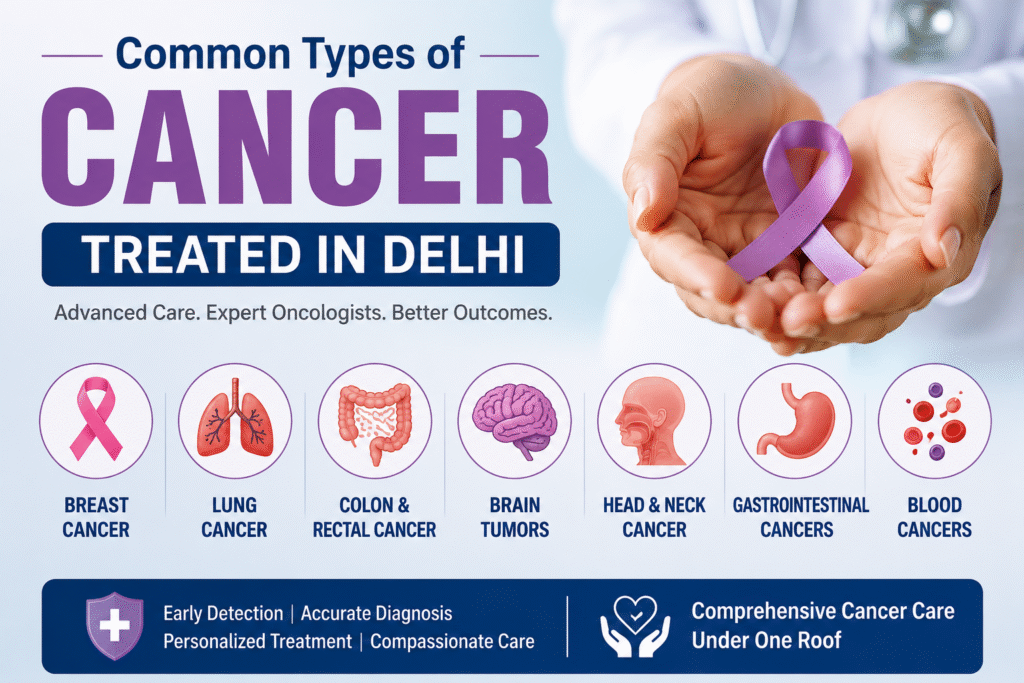
Breast Cancer
One of the most common cancers among women, breast cancer can often be treated successfully when detected early through regular screening and timely intervention.
Lung Cancer
Lung cancer affects both smokers and non-smokers. Modern treatment options have improved outcomes significantly, especially when diagnosed at an early stage.
Colon Cancer
Colon and rectal cancers are increasingly common and can often be prevented or detected early through routine screening procedures.
Brain Tumors
Brain tumors require specialized evaluation and treatment planning involving multiple healthcare professionals.
Head and Neck Cancers
These cancers may affect the mouth, throat, voice box, and surrounding structures, requiring a multidisciplinary approach.
Gastrointestinal and Blood Cancers
Specialized treatments are available for cancers affecting the digestive system and blood-forming tissues.
Available Cancer Treatment Options in Delhi
Cancer treatment is not the same for every patient. The choice of therapy depends on the type of cancer, its stage, overall health, and treatment goals.
Surgery
Surgery is often recommended when the tumor can be safely removed. It may be used as a primary treatment or combined with other therapies such as chemotherapy or radiation.
Chemotherapy
Chemotherapy uses medications to destroy cancer cells or slow their growth. It may be administered before surgery, after surgery, or as the primary treatment for certain cancers.
Radiation Therapy
Radiation therapy uses high-energy beams to target and destroy cancer cells while minimizing damage to surrounding healthy tissues. Advanced radiation technologies have improved precision and effectiveness.
Immunotherapy
Immunotherapy helps the body’s immune system recognize and fight cancer cells more effectively. It has become an important treatment option for several types of cancer.
Targeted Therapy
Targeted therapy focuses on specific genetic or molecular characteristics of cancer cells. This personalized approach often reduces damage to healthy cells and improves treatment outcomes.
Hormone Therapy
Hormone therapy is commonly used in cancers that are influenced by hormones, such as certain breast and prostate cancers.
How to Choose the Right Cancer Specialist in Delhi
Selecting the right oncologist is one of the most important decisions a patient can make.
When evaluating a cancer specialist, consider:
- Qualifications and specialized oncology training
- Experience in treating your specific type of cancer
- Access to modern treatment technologies
- Availability of multidisciplinary cancer care
- Communication style and willingness to answer questions
A multidisciplinary approach often leads to better outcomes, as medical oncologists, surgeons, radiologists, pathologists, and supportive care teams work together to create a personalized treatment plan.
What to Expect During Your First Oncology Consultation
The first consultation is designed to understand your condition and create an appropriate treatment strategy.
Your oncologist may:
- Review your medical history
- Discuss symptoms and previous test results
- Perform a physical examination
- Recommend additional diagnostic tests if necessary
- Explain available treatment options
- Develop a personalized treatment plan
Patients are encouraged to bring medical records, imaging reports, pathology reports, and a list of questions to the appointment.
Understanding Cancer Treatment Costs in Delhi
The cost of cancer treatment can vary depending on several factors, including:
- Type of cancer
- Stage of disease
- Required diagnostic tests
- Treatment approach
- Duration of therapy
- Need for hospitalization or surgery
Discussing treatment costs and insurance coverage with your healthcare provider can help patients plan their care more effectively.
Managing Side Effects During Cancer Treatment

Cancer treatments may cause side effects, but many can be managed successfully with proper medical support.
Common side effects include:
- Fatigue
- Nausea and vomiting
- Hair loss
- Reduced appetite
- Changes in taste
- Increased risk of infections
Patients should communicate openly with their healthcare team about any symptoms they experience so that supportive measures can be implemented promptly.
The Importance of Nutrition and Lifestyle During Treatment
Good nutrition and healthy lifestyle habits play an essential role in supporting recovery and overall well-being.
Helpful recommendations include:
- Eating a balanced and nutritious diet
- Staying adequately hydrated
- Engaging in light physical activity as advised
- Getting sufficient rest
- Seeking emotional and psychological support when needed
Family support and counseling services can also contribute significantly to a patient’s quality of life during treatment.
Why Delhi Is a Preferred Destination for Cancer Care
Delhi has become a trusted destination for cancer treatment because of its access to experienced specialists, advanced medical technologies, and comprehensive cancer care services.
Patients benefit from:
- Modern diagnostic facilities
- Personalized treatment plans
- Access to chemotherapy, immunotherapy, and targeted therapies
- Multidisciplinary cancer management
- Comprehensive follow-up and supportive care
These advantages help ensure that patients receive evidence-based treatment tailored to their individual needs.
Frequently Asked Questions
Can cancer be cured if detected early?
Many cancers have significantly better outcomes when diagnosed and treated at an early stage.
How do I find the best cancer specialist in Delhi?
Look for an experienced oncologist with expertise in your specific cancer type and access to multidisciplinary care.
What tests are needed before treatment?
Common tests may include blood investigations, imaging scans, biopsies, and other specialized evaluations depending on the cancer type.
Is a second opinion helpful?
Yes. A second opinion can provide additional clarity regarding diagnosis and treatment options.
How long does cancer treatment last?
The duration varies depending on the type of cancer, stage, and treatment approach.
Conclusion
A cancer diagnosis can feel overwhelming, but understanding your treatment options can help you move forward with confidence. Delhi offers access to experienced oncologists, advanced treatment technologies, and comprehensive cancer care services that support patients throughout their journey.
Early diagnosis, personalized treatment planning, and ongoing support are key factors in achieving the best possible outcomes. If you or a loved one is facing cancer, consulting an experienced cancer specialist can help you make informed decisions and receive the care needed at every stage of treatment.